
From Loom to Wardrobe: The Journey of a Handwoven Saree
A handwoven saree is not just a piece of clothing—it is a story of tradition, craftsmanship, and passion. Every thread carries the dedication of skilled artisans who transform raw fibers into timeless masterpieces. At Rajlaxmi International, we celebrate this...
A handwoven saree is not just a piece of clothing—it is a story of tradition, craftsmanship, and passion. Every thread carries the dedication of skilled artisans who transform raw fibers into timeless masterpieces.
At Rajlaxmi International, we celebrate this journey by bringing you authentic handloom sarees that connect heritage with modern elegance.
Let’s take a closer look at the beautiful journey of a handwoven saree—from loom to wardrobe.
🌿 The Beginning: Sourcing Natural Fibers
The journey starts with selecting high-quality raw materials such as cotton, silk, or linen. These natural fibers form the foundation of a handloom saree.
Why it matters:
- Ensures comfort and breathability
- Promotes eco-friendly fashion
- Enhances durability and texture
This step reflects the growing demand for sustainable and conscious fashion in 2026.
🎨 Step 2: Dyeing the Threads
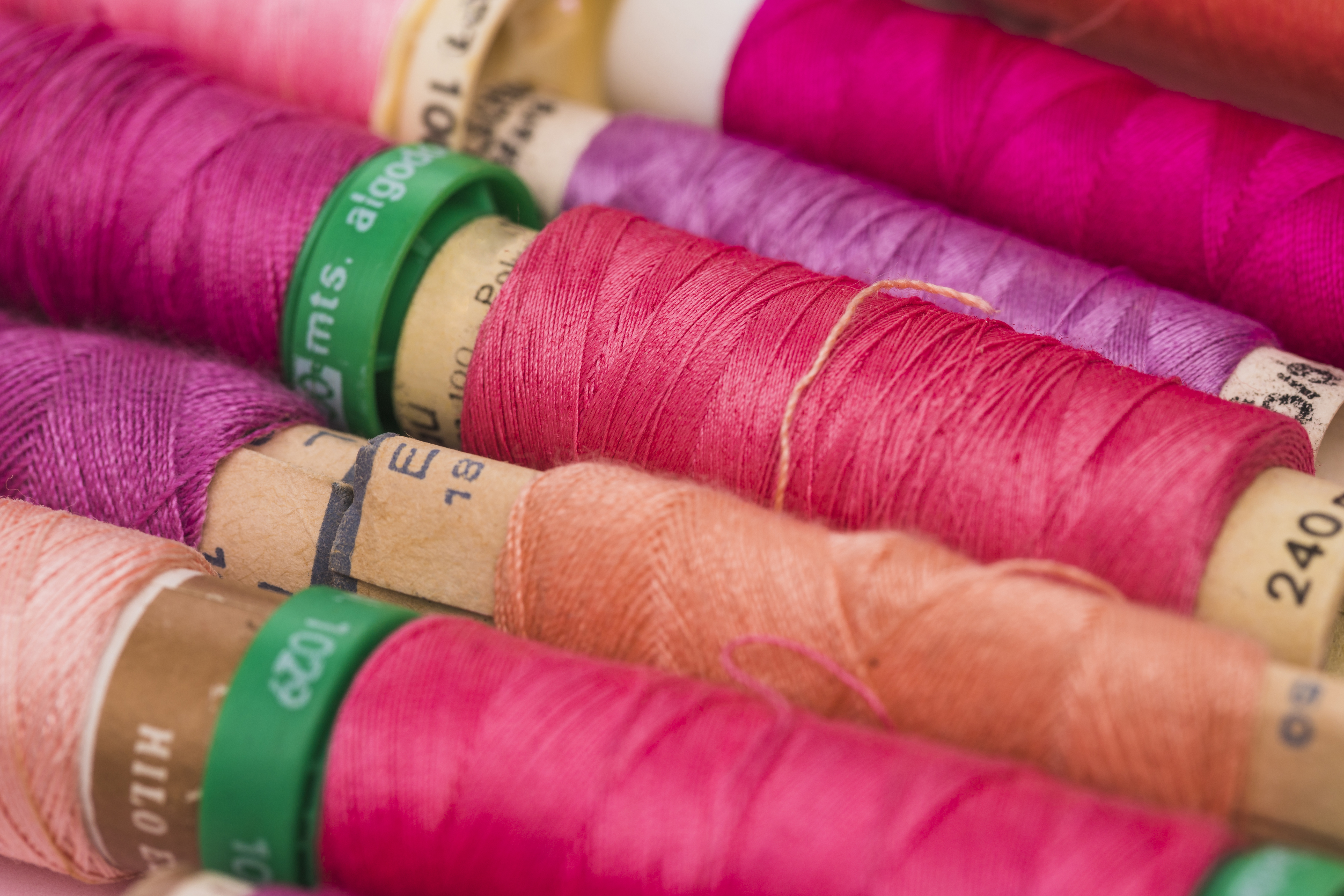
Once the fibers are prepared, they are dyed using vibrant colors. Many artisans use natural or eco-friendly dyes to maintain sustainability.
Key highlights:
- Careful color selection for unique designs
- Traditional dyeing techniques
- Long-lasting and rich color tones
This stage brings life and personality to the saree.
🧵 Step 3: Setting Up the Loom
The dyed threads are then arranged on the loom—a process that requires precision and expertise. The warp (lengthwise threads) and weft (crosswise threads) are carefully aligned to create the base structure.
Fun fact:
Setting up the loom can take several hours or even days depending on the complexity of the design.
🪡 Step 4: The Art of Weaving
This is where the magic happens. Skilled artisans weave the saree by hand, passing threads through the loom to create intricate patterns and textures.
What makes it special:
- Each saree is handcrafted and unique
- No two pieces are exactly the same
- Designs often reflect cultural stories and traditions
Weaving a single saree can take days or even weeks, depending on its intricacy.
✨ Step 5: Adding Finishing Touches
After weaving, the saree undergoes finishing processes such as:
- Washing and softening
- Adding borders and pallu details
- Checking for quality and perfection
These final touches enhance the saree’s elegance and durability.
👗 Step 6: From Artisan to Your Wardrobe
Once completed, the saree travels from the artisan’s loom to your wardrobe. When you wear a handwoven saree, you carry forward a legacy of craftsmanship and culture.
Why it’s special:
- Supports artisan livelihoods
- Preserves traditional weaving techniques
- Promotes sustainable fashion
🌿 Why Handwoven Sarees Matter in 2026
In a world dominated by fast fashion, handwoven sarees stand out as a symbol of slow, mindful living.
Key benefits:
✔ Eco-friendly production
✔ Long-lasting quality
✔ Unique and artistic designs
✔ Ethical and sustainable choice
Choosing handloom is not just a style decision—it’s a conscious lifestyle choice.
💖 Why Choose Rajlaxmi International?
At Rajlaxmi International, we bring you sarees that are rooted in tradition and designed for modern lifestyles.
What we offer:
- Authentic handloom sarees
- Artisan-crafted collections
- Sustainable and eco-friendly fashion
- Premium quality with elegant designs
🌐 Shop now: www.rajlaxmiinternational.in
🌼 Final Thoughts
The journey of a handwoven saree is a beautiful blend of art, culture, and dedication. From sourcing fibers to weaving intricate designs, every step reflects the passion of skilled artisans.
When you choose a handwoven saree from Rajlaxmi International, you’re not just buying a product—you’re becoming part of a story that celebrates heritage, sustainability, and timeless elegance.

